Mitsubishi Electric Iconics Digital Solutions Inc

Company Blog

Get the latest insights, updates, and event coverage from Mitsubishi Electric Iconics Digital Solutions.

Improved Power Management for Data Centers

Photo of four people working at desktops in a server room, with an instructor off to the right, slightly out of focus

Key takeaways for achieving improved power management for data centers include: Match customers’ data storage needs with facility location and connectivity requirements; Use sustainable energy where possible; Upgrade to smaller and better designed equipment.; Look at total power consumption to measure facility efficiency.; and Leverage automation software to monitor and optimize operational efficiency. 
Exploring Remote Asset Monitoring with IoTWorX: What, Why, and How

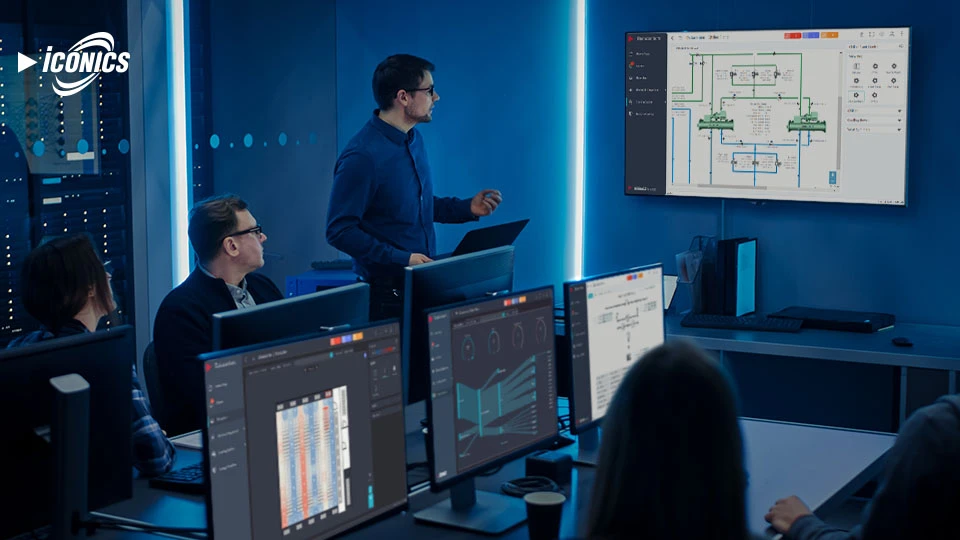
Four people in a classroom at desks along an aisle facing each other, with an instructor using a flat screen monitor on the wall. All screens feature GENESIS dashboards

Companies can feasibly and economically monitor their remote assets and use the data captured from these assets to optimize operations by using an edge to cloud IoT solution like IoTWorX from Mitsubishi Electric Iconics Digital Solutions. IoTWorX delivers substantial benefits from IoT gateway management, data visualization through onsite user defined dashboards, local alarm management, to connection to the local gateway with any type of mobile device or web browser with network access to securely published data through Microsoft IoT Hub. And IoTWorX is for any sized company, not just for the large and established.

What Is SCADA: Its Definition & Uses

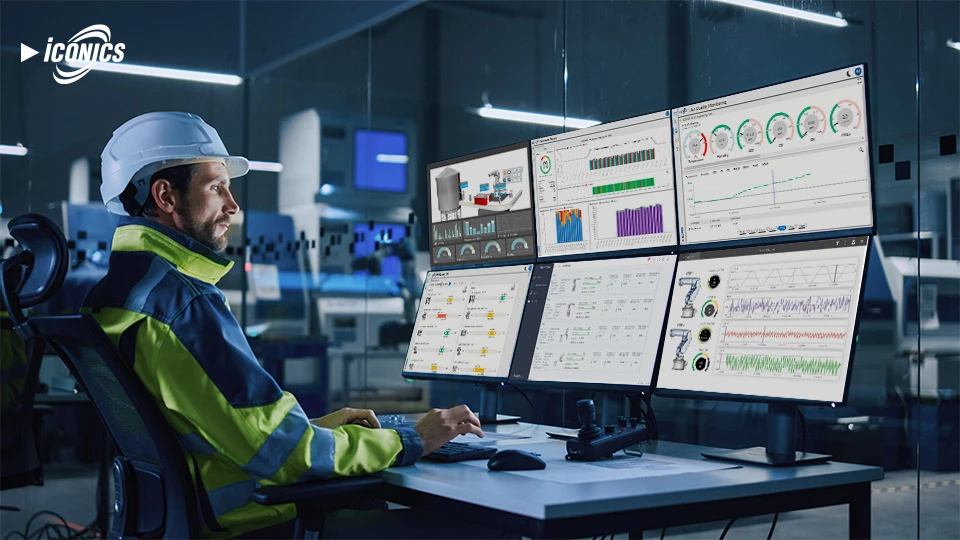
Photo of man wearing a hard hat and high-visibility jacket sitting at a desk with six monitors featuring different dashboard views

These days, SCADA systems are fundamental to industrial processes and manufacturing and building automation, so understanding what SCADA is and how it’s used is essential to those who work in those industries. Additionally, now is the age of industrial digital transformation, and SCADA systems are part of this advanced interconnected world of smart factories, smart buildings, and smart operations. A SCADA system brings significant value to companies in these markets allowing them to increase operational and energy efficiency. 

Explore GENESIS SCADA: High-Performance HMI, Responsive Design, and Smart Data Tools

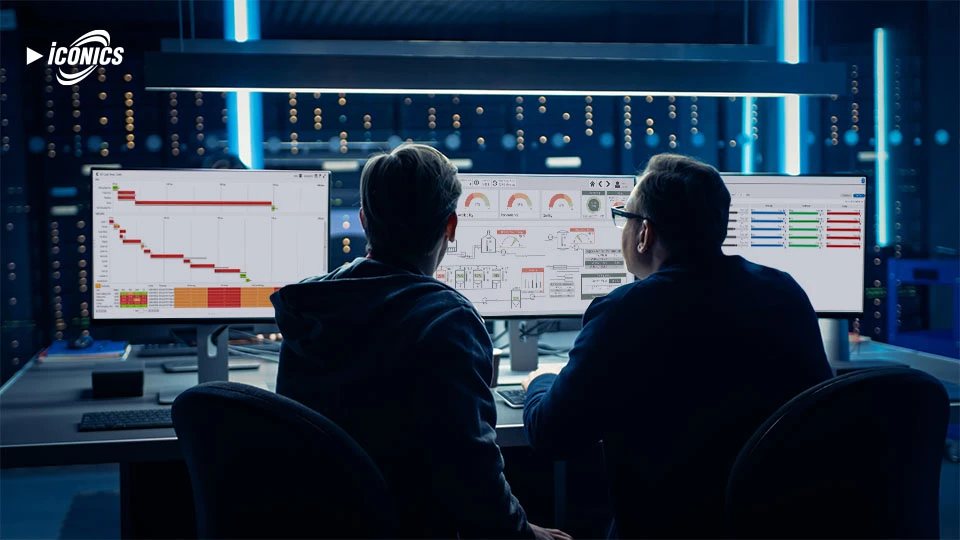
Two men in shadow sitting at a desk in a server room, with three monitors featuring various dashboard views

What separates average SCADA users from power users? In this blog, we dive into the advanced capabilities of modern SCADA systems—from high-performance HMI design and responsive visualization to powerful historian tools and time-saving aliasing techniques. You’ll discover how to enhance system usability, simplify screen development, and support seamless, scalable automation—all to drive smarter, faster operations across your organization.

Top 10 Features of the Best SCADA Systems

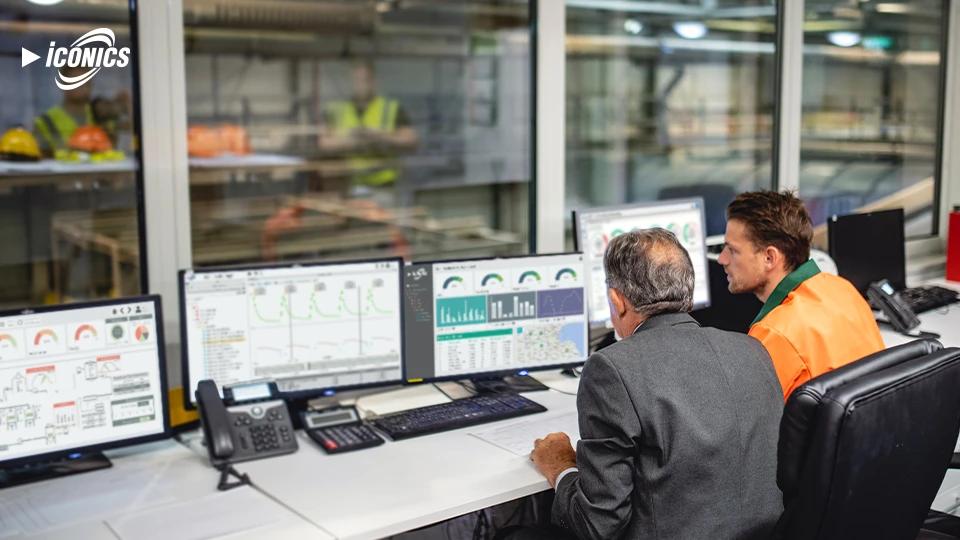
Photo of two men sitting at a desk with four monitors featuring various dashboard views

Even in a market that is over 30 years mature, you might think that most SCADA systems deliver similar functionality, and that one SCADA is as good as the next. This couldn't be further from the truth. This blog highlights the top ten features to look for when choosing a SCADA system and also includes additional aspects of such a system to consider. You'll also learn why transitioining to a new, technologically advanced SCADA system pays dividends and can come with ease and very little downtime.  

How to Solve Water Industry Challenges with Automation Technology and SCADA Solutions

Aerial photo of the water treatment ponds at the Madison Metropolitan Sewerage District

Today, more than ever, the water industry faces serious challenges with an extremely outdated infrastructure and a lack of emergency preparedness and future resiliency. To know about the current prevalent challenges the water industry is facing and how automation technology can help solve these, I interviewed Andy Gribbin, Digital Solutions one of our Digital Solutions managers, to learn what he had to say. Andy talks to customers and partners in the water industry every day and knows firsthand what operational challenges they deal with and what they talk to him about. And as it’s always helpful and insightful to see how others do it, I briefly cover three water facilities that used automation technology to upgrade their systems to address their own challenges. The results: improved operational efficiency, improved workflows, and improved resilience to cyber security attacks. 

Reaching Toward Predictive Awareness in Manufacturing Efficiency – Part 2 of 2

Photo montage depicting utility workers testing lines and possibly servers, from inside a crystal ball with hands on either side

In part two of this manufacturing efficiency blog series, we move beyond measuring OEE and loss deployment to explore how manufacturers can achieve predictive awareness—the ability to foresee and address inefficiencies before they occur. Using the DIKW (Data, Information, Knowledge, Wisdom) framework, this article outlines how to progress from raw data to actionable insights, and how companies can tap into employee expertise and track ROI before diving into AI and machine learning. You'll also find practical tips for launching your own manufacturing efficiency project, including how to structure your data strategy, phase deployments, and take an agile approach to long-term success.

Measuring Overall Equipment Effectiveness (OEE) - Achieving Magical Gains in Manufacturing Efficiency - Part 1 of 2

Picture of a magician holding a top had upside down and waving a wand over the opening, generating blue light and stars

Conversations about efficiency gains with customers typically center around the customer hoping for manufacturing gains/efficiency. They're not quite sure what it is they need, but they do know they need to improve efficiency, quality, performance, and uptime. These gains can be realized through Overall Equipment Effectiveness (OEE) to provide a clear understanding of the difference between the quantity of sellable product an asset could make versus the actual amount of product that asset made. OEE is a top-level measurement of efficiency, and it breaks down into three separate buckets: availability, performance, and quality. An additional bucket to be considered in determining OEE is loss deployment. At the end the right team and approach can provide the manufacturing gains companies are looking for.